Introduction
Before Microsoft became synonymous with Windows and office productivity, the company's rise began with a humble operating system known as DOS. On April 28, 2026—the 45th anniversary of 86-DOS 1.00—Microsoft made a significant move by open-sourcing the earliest known DOS source code under the MIT license. This article explores the history behind that code, the announcement, and what it means for retro computing enthusiasts.
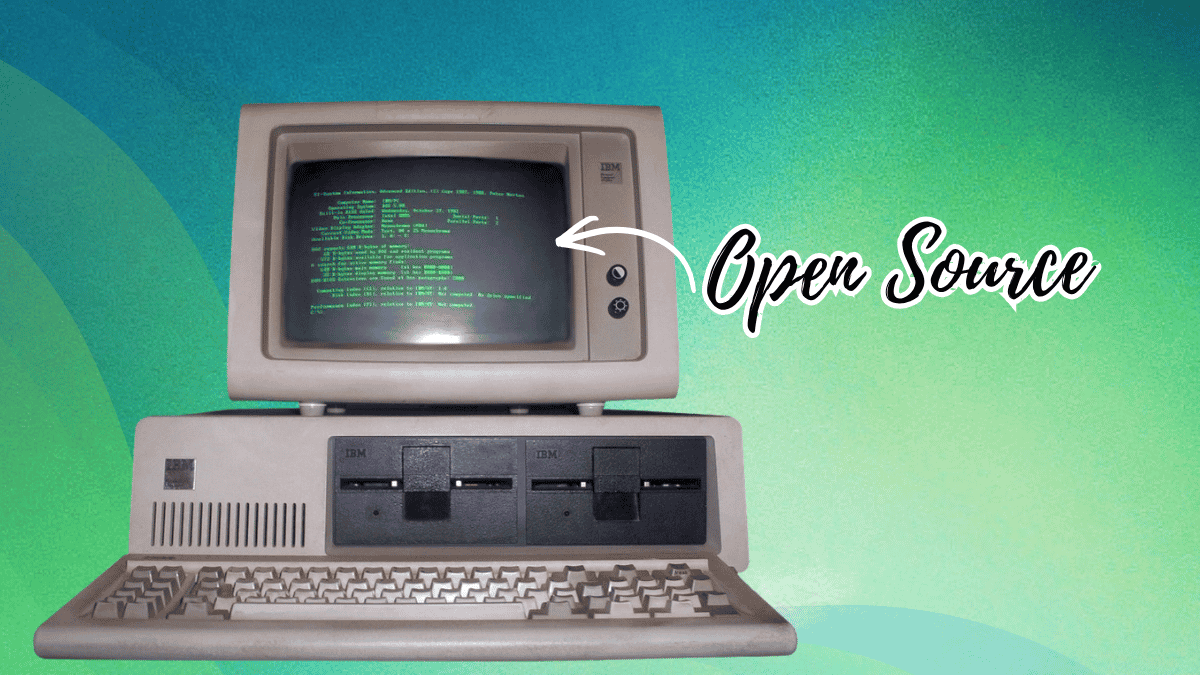
The Birth of DOS: QDOS and the IBM Deal
In 1980, Intel released the 8086 processor, but the dominant operating system of the era, CP/M, lacked 8086 support. Tim Paterson of Seattle Computer Products filled this gap by creating QDOS—Quick and Dirty Operating System. He modeled its API on CP/M so that existing software could run on the new chip.
Microsoft acquired the rights to what was then called 86-DOS for just under $100,000. In August 1981, they delivered it to IBM as PC DOS 1.0, while retaining the right to sell the same OS to other PC manufacturers as MS-DOS. That single deal launched Microsoft's decades-long dominance in personal computing.
The 45th Anniversary Open-Source Release
Marking the 45th anniversary of 86-DOS 1.00, Microsoft published a blog post on April 28 announcing that the oldest-known DOS source code is now publicly available on GitHub. The release includes the 86-DOS 1.00 kernel, several development snapshots of the PC-DOS 1.00 kernel, utilities like CHKDSK, and the assembler Paterson used to write the OS itself.
Recovering Ancient Code: A Painstaking Process
The source code wasn't neatly archived. Tim Paterson had kept only physical assembler printouts and stacks of continuous-feed paper from 1981, saved over the decades. Historians Yufeng Gao and Rich Cini spearheaded the effort to locate, scan, and transcribe the DOS-related portions into compilable code. Their work turned fragile paper artifacts into a working repository.

What's in the Repository?
The GitHub repository contains not just source code, but also the tools needed to compile it. You'll need a copy of Seattle Computer Products' ASM assembler—available from any 86-DOS or early MS-DOS release. The README file provides step-by-step instructions for getting everything running.
Why This Matters for Retro Computing
Microsoft has a growing track record of open-sourcing its classic code: 6502 BASIC in September 2025, MS-DOS 4.0 in 2024, and MS-DOS 1.25 and 2.0 back in 2018. This latest release continues that trend, offering a treasure trove for those interested in low-level systems work.
For retro computing enthusiasts and developers who want to understand early PC architecture, this is a rare opportunity to study the foundational code that launched an empire. The source is compilable, and with the provided assembler, you can recreate the exact binaries that ran on the first IBM PCs.
Conclusion
Microsoft's release of the oldest DOS source code on its 45th anniversary is more than a nostalgic gesture—it's a gift to historians, hobbyists, and anyone curious about the roots of modern computing. The code's journey from paper printouts to open-source repository underscores how far we've come, and how the past can still power new learning.